Wedding & Love Games
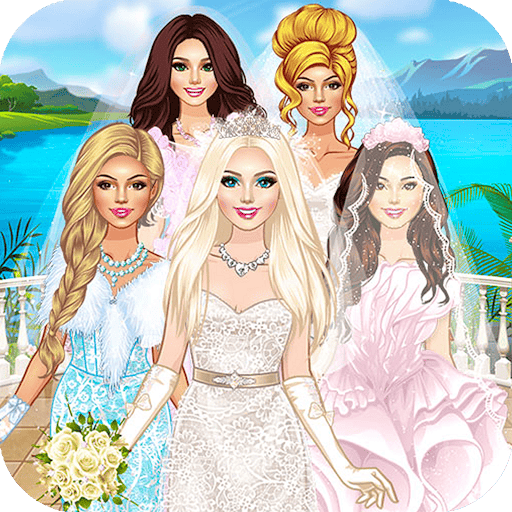
Model Wedding - Girl Games
Immerse yourself in wedding day excitement as you style four unique brides in "Model Wedding - Girl Games." Experiment with over 200 luxurious items, from…
▶ Play nowWedding Planner hands you a royal wedding and asks you to make every detail perfect — the bridal gown, the hair, the makeup, the whole celebration. This strategy guide shows you how to start with one clear vision, build a look that belongs together, and finish a wedding that feels like it could not have been any other way.
Home / Guides / Wedding Planner Strategy Guide: How to Plan the Perfect Royal Wedding
Wedding Planner is a creative dress-up and styling game with no timer, no score, and no way to lose — which is exactly why the difference between a beautiful wedding and a forgettable one is taste, not speed. You are the planner of a royal wedding, and every detail is yours to craft: the bridal attire, the hair, the makeup, and the finishing touches that turn a pretty outfit into an enchanting celebration.
The tools are simple: browse the wardrobe and the beauty options, pick what fits your vision, and try as many combinations as you like — nothing is final until you say it is. You can mix gowns, hairstyles, veils, jewellery, and makeup, and you can redo any choice as often as you want. The game is a relaxing sandbox, and the sandbox is the point: the fun is in the choosing, not in beating anything.
Think of the wedding as one outfit on a grand scale. The gown is the centrepiece, the hair and makeup are the frame, and the accessories are the jewellery — and just like an outfit, the pieces have to agree with each other. When they do, the result looks royal. When they do not, even the prettiest single dress cannot save the look.
The most common beginner mistake is using every beautiful thing at once. The grandest gown, the biggest tiara, the boldest makeup, the most dramatic veil — each choice looks stunning on its own, and together they are visual noise. A wedding with no single idea reads as clutter, not luxury.
The second mistake is the opposite: playing it too safe. A plain white dress, simple hair, no accessories, nothing anyone would remember. It is clean, but it is forgettable — and it wastes the gowns and details the game gives you. A great wedding lives between these two extremes: one clear vision, plus one moment of sparkle.
The third mistake is picking pieces that fight each other. A sparkling ball gown with a boho flower crown and heavy smoky makeup is three different weddings talking at once. The dress, the hair, and the makeup need a relationship — a shared style, a deliberate contrast, a look that belongs together — or the eye does not know where to rest.
The fourth mistake is forgetting the rest of the celebration. The bride does not stand on her own: she stands next to a groom, a venue, and a whole royal occasion. A look that would be perfect for a grand palace ball can feel wrong for a garden ceremony, and the best wedding planners in the game are the ones who plan for the whole picture, not just the dress.
Every great wedding starts with a theme, not with a favourite dress. Before you open the wardrobe, decide what the wedding is about — classic royal, romantic garden, modern glamour, or fairytale princess — and let that one word make every later choice easy. A 'classic royal' wedding wants a long gown, a tiara, and soft elegant makeup. A 'romantic garden' wedding wants flowing fabric and fresh flowers. A 'modern glamour' wedding wants a sleek silhouette and a little sparkle. The theme is the brief, and the brief does the deciding.
The gown is the biggest decision you will make — it covers most of the look and sets the mood of the whole wedding. A ball gown reads as royal and grand; a flowing A-line reads as romantic; a sleek mermaid cut reads as glamorous. When in doubt, pick the gown that suits the theme and the venue, not the most dramatic one on the rack.
A statement piece — a tiara, a dramatic veil, a bold necklace — is the oldest trick in wedding styling, and it works because it gives the eye somewhere to land. One striking piece makes the whole look feel designed. Two or three statement pieces start to compete; five is not a wedding, it is a disagreement.
An updo suits a grand gown, loose waves suit a romantic one, and a sleek style suits a modern one. The makeup follows the same rule: soft and glowing for romance, polished and defined for glamour. Hair and makeup are the frame of the portrait — they should agree with the dress, never argue with it.
The order matters: theme first, gown second, hair and makeup third, statement piece fourth, details last. Planners who start with the tiara end up building a wedding around an accessory; planners who start with the theme end up with a celebration that looks like it belongs together.
Once the basics are automatic, the leap from good to great is planning for the occasion, not just for the dress. A single beautiful look earns a smile; a look that belongs to the bride, the groom, and the venue earns the feeling that it could not have been any other way.
Colours that sit next to each other — ivory and blush, gold and champagne — feel calm and harmonious, and they are the safest way to pair two shades. A bold accent against a soft base creates drama, and it works best when one of the pair is quiet and the other is the star. A monochrome palette — one colour in several shades — is the most elegant choice of all, because it can never clash with itself.
A palace wedding wants ivory, gold, and deep red. A garden wedding loves blush, sage, and fresh white. A winter wedding loves silver, deep blue, and icy sparkle; a summer wedding loves coral, turquoise, and sunshine. Planning with the season and the setting in mind is what makes a wedding feel considered rather than random.
Every strong wedding planner has a recognisable habit: a perfect veil drape, a favourite tiara placement, a bouquet they always get right. Pick one technique, practise it until it is flawless, and use it as your default finish — the detail that makes even a simple look feel like a premium celebration. Consistency is what turns good sessions into great ones.
Not every slot needs to be filled. Leaving one detail simple — a bare neckline, a plain veil, a quiet bouquet — creates breathing room and makes the statement piece stand out more. Restraint is the most advanced technique in wedding styling, because it is the one that takes the most confidence.
Improvement in Wedding Planner is not about trying more dresses — it is about planning with intent. Before each wedding, say the plan out loud in one sentence: 'classic royal, ivory ball gown, updo, tiara' or 'romantic garden, flowing blush dress, loose waves, flower crown'. If you cannot say it in one sentence, you do not have a plan yet — you have a wardrobe full of dresses. Choose the plan first, and the pieces choose themselves.
After each wedding, review the result with three questions: does it answer the theme? Does the gown carry the look? Does the statement piece earn its place? Score yourself honestly, and keep a mental gallery of your best three weddings — the palettes and finishes you keep returning to are the start of your personal style. Within a week of deliberate practice, you will find you stop browsing every dress and start reaching straight for the right one. That is the moment the game stops being a dressing box and starts being a craft.
What is Wedding Planner?
Wedding Planner is a creative wedding-styling game where you plan a royal wedding: choose the bridal gown, style the hair, apply the makeup, and add the finishing touches, all with simple drag-and-drop tools and no timer.
How do you plan a good wedding in Wedding Planner?
Start with one theme — classic royal, romantic garden, modern glamour, or fairytale princess — then pick a gown that carries it, match the hair and makeup to the dress, add a single statement piece, and finish with small details that earn their place.
What is a statement piece?
A statement piece is one striking item — a tiara, a dramatic veil, or a bold necklace — that gives the eye a focal point and makes the whole look feel designed. One statement piece is enough; several start to compete.
Can you style the groom too?
Wedding Planner focuses on the bride's look, but the best results still keep the groom and the venue in mind: a grand royal gown belongs with a formal groom and a palace setting, not a casual one.
What colors go well together for a wedding?
Neighbouring colors like ivory and blush feel calm and harmonious; a bold accent against a soft base creates drama; and a single color in several shades — a monochrome palette — is the most elegant choice because it can never clash with itself.
Is Wedding Planner free to play?
Yes — Wedding Planner is free to play in your browser on this site, with no download and no account. You can try as many weddings as you like and redo a look as often as you want.
Immerse yourself in wedding day excitement as you style four unique brides in "Model Wedding - Girl Games." Experiment with over 200 luxurious items, from…
▶ Play now
Transform an underwater kingdom into a captivating wedding venue in Mermaid Wedding World.
▶ Play now
Dive into the vibrant world of Indian weddings with Wedding Beauty Makeup Salon.
▶ Play now