First Date Games
Stacky Dash Nail
Create towering nail stacks in the addictive world of Stacky Dash Nail.
▶ Play nowPrincess Nail Art is a relaxing game about turning bare nails into tiny works of art — but the prettiest results are never accidents. This style guide covers how to pick one clear idea, choose colors that flatter, place accents with intent, and finish nails that look like they came from a real salon.
Home / Guides / Princess Nail Art Style Guide: How to Design Salon-Perfect Nails Every Time
Princess Nail Art is a creative dress-up game with no timer, no score, and no way to lose — which is exactly why the difference between a pretty set of nails and a forgettable one is taste, not speed. You pick a hand or a foot, then work through the tools: shape and clean the nails, lay down a base color, and finish with patterns, stickers, gems, and shine.
The tools are simple drag-and-drop: pick a color or a decoration, place it on a nail, and adjust until it looks right. You can design fingernails and toenails, mix colors across the set, and try as many combinations as you like — nothing is final until you say it is. The game is a relaxing sandbox, and the sandbox is the point: the fun is in the choosing, not in beating anything.
Think of each set of nails as a tiny outfit. The base color is the dress, the pattern is the print, and the gems are the jewellery — and just like an outfit, the pieces have to agree with each other. When they do, the result looks salon-perfect. When they do not, even the prettiest single decoration cannot save the set.
The most common beginner mistake is using every tool at once. A different color on every nail, a pattern on top of that, gems on every fingertip, glitter everywhere — each choice looks fun on its own, and together they are visual noise. A nail set with no single idea reads as clutter, not creativity.
The second mistake is the opposite: playing it too safe. One flat color, no accent, no finish, nothing anyone would notice. It is clean, but it is forgettable — and it wastes the patterns and decorations the game gives you. A great design lives between these two extremes: one clear idea, plus one moment of sparkle.
The third mistake is picking colors that fight each other. A hot pink base with a lime green pattern and gold gems is three loud voices talking at once. Colors need a relationship — a shared tone, a contrast that is deliberate, a palette that belongs together — or the eye does not know where to rest.
The fourth mistake is forgetting the rest of the look. Nails do not live on their own: they sit next to an outfit, a skin tone, and a whole princess. A design that would be gorgeous on a red-carpet gown can look wrong next to a soft pastel dress, and the best nail artists in the game are the ones who design for the whole picture, not just the fingertips.
Every great nail design starts with a theme, not with a favorite color. Before you touch a tool, decide what the set is about — elegant, playful, romantic, glamorous, or seasonal — and let that one word make every later choice easy. An 'elegant' set wants soft colors and one quiet accent. A 'glamorous' set wants deep color and a little sparkle. A 'playful' set wants bright color and one fun pattern. The theme is the brief, and the brief does the deciding.
The base color is the biggest decision you will make — it covers most of the nail and sets the mood of the whole set. Soft pinks, nudes and pastels flatter almost everyone and suit elegant looks; deep reds, purples and dark blues read as glamorous; bright colors read as playful. When in doubt, pick the color that suits the princess and the occasion, not the brightest one on the shelf.
An accent nail — one nail, usually the ring finger, dressed differently from the rest — is the oldest trick in nail art, and it works because it gives the eye somewhere to land. One glitter nail, one patterned nail, one gemmed nail: that single moment of difference makes the whole set feel designed. Two or three accents start to compete; five accents is not a design, it is a disagreement.
Glossy shine suits glamour, soft matte suits elegance, and a little glitter suits celebration. The finish is the last layer of the idea, and it should agree with everything underneath it — a sparkling top coat on a quiet nude is a lovely surprise, but glitter on top of an already busy pattern is just more noise.
The order matters: theme first, base second, accent third, decorations last. Artists who start with the gems end up building a design around a decoration; artists who start with the theme end up with a set that looks like it belongs together.
Once the basics are automatic, the leap from good to great is designing for the occasion, not just for the nails. A single beautiful set earns a smile; a set that belongs to the princess, the outfit, and the moment earns the feeling that it could not have been any other way.
Colors that sit next to each other on the color wheel — pink and purple, blue and teal — feel calm and harmonious, and they are the safest way to pair two shades. Colors opposite each other — pink and green, blue and orange — create bold contrast, and they work best when one of the pair is quiet and the other is the star. A monochrome set — one color in several shades — is the most elegant choice of all, because it can never clash with itself.
A wedding set wants soft whites, blush, and a touch of gold. A party set can take bright color and real sparkle. A winter set loves deep reds and icy silver; a summer set loves coral, turquoise, and sunshine yellow. Designing with the season and the event in mind is what makes a set feel considered rather than random.
Every strong nail artist has a recognizable habit: a perfect French tip, a favorite gem placement, a gradient they always nail. Pick one technique, practise it until it is flawless, and use it as your default finish — the detail that makes even a simple set feel like a premium design. Consistency is what turns good sessions into great ones.
Not every nail needs to be covered. Leaving part of a nail bare — a clear tip, a stripe of natural nail showing through a pattern — creates breathing room and makes the decorated parts stand out more. Restraint is the most advanced technique in nail art, because it is the one that takes the most confidence.
Improvement in Princess Nail Art is not about trying more colors — it is about designing with intent. Before each set, say the plan out loud in one sentence: 'soft pink base, one glitter accent, gold detail' or 'deep red glamour, silver tip, one gem'. If you cannot say it in one sentence, you do not have a plan yet — you have a shelf of colors. Choose the plan first, and the colors choose themselves.
After each set, review the result with three questions: does it answer the theme? Does the base color flatter? Does the accent earn its place? Score yourself honestly, and keep a mental gallery of your best three sets — the palettes and finishes you keep returning to are the start of your personal style. Within a week of deliberate practice, you will find you stop browsing every color and start reaching straight for the right one. That is the moment the game stops being a coloring box and starts being a craft.
What is Princess Nail Art?
Princess Nail Art is a relaxing nail-design game where you style a princess's fingernails and toenails: shape and clean them, choose a base color, and finish with patterns, stickers, gems, and shine, all with simple drag-and-drop tools.
How do you design good nails in Princess Nail Art?
Start with one theme — elegant, playful, glamorous, or seasonal — then pick a base color that flatters, add a single accent nail, and place decorations sparingly. One clear idea beats ten random choices.
What is an accent nail?
An accent nail is one nail, usually the ring finger, styled differently from the rest — a glitter coat, a pattern, a jewel, or a contrasting color. It gives the eye a focal point and makes the whole set feel designed.
Can you design toenails too?
Yes — Princess Nail Art lets you style both fingernails and toenails. The best results coordinate them: the same base color or a softer version of it, with the same accent idea, so the set feels finished.
What colors go well together in nail art?
Neighbouring colors like pink and purple feel calm and harmonious; opposite colors like pink and green create bold contrast; and a single color in several shades — a monochrome set — is the most elegant choice because it can never clash with itself.
Is Princess Nail Art free to play?
Yes — Princess Nail Art is free to play in your browser on this site, with no download and no account. You can try as many designs as you like and redo a set as often as you want.
Create towering nail stacks in the addictive world of Stacky Dash Nail.
▶ Play now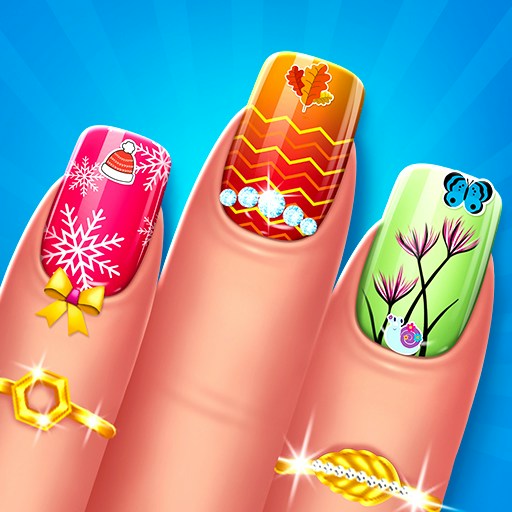
Unleash your creativity in All Seasons Nail Salon, where you transform nails into stunning works of art.
▶ Play now
In K-Pop Demon Hunters Nail Studio, unleash creativity by designing stylish nails for idol-turned-demon slayers.
▶ Play now