First Date Games
Funny Hair Salon
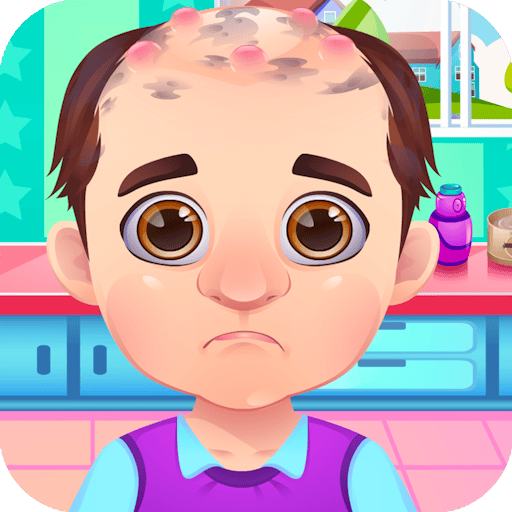
Transform George’s unsightly hair into a masterpiece in Funny Hair Salon.
▶ Play nowBarber Shop Hair Salon Sim rewards stylists who listen first and cut second. This guide covers how to read each customer's request, choose the right cut, style, and color, manage your time, upgrade your salon in the right order, and grow from a novice stylist into a salon maestro.
Home / Guides / Barber Shop Strategy Guide: How to Run a Five-Star Hair Salon & Keep Every Customer Happy
In Barber Shop Hair Salon Sim you run a busy hair salon. Customers walk in with a request — a haircut, a new style, a color, a full makeover — and it is your job to deliver it. You pick the tools, work through the steps of the service, and send the customer out the door. A happy customer pays well and comes back; an unhappy one leaves a bad impression and takes their money with them.
There is no fail state and no timer in most services, which is exactly why the difference between an average stylist and a great one is judgement, not speed. The game rewards looks that match the request: the right length, the right style, the right color, finished cleanly. Coins earned from satisfied customers buy better tools and salon upgrades, and better tools let you serve more customers, faster, and to a higher standard. That loop — serve well, earn, upgrade, serve better — is the whole game.
Think of each customer as a tiny brief. You are not just cutting hair — you are choosing a length, a shape, a finish, and a color that all answer one request. When those choices agree, the customer leaves delighted. When they disagree, even the fanciest styling cannot save the visit.
The most common beginner mistake is cutting before listening. A customer asks for a trim and gets a dramatic restyle; another wants a bold color and gets a safe brown. The scissors did their job — the stylist did not. The game scores how well the result answers the request, and a technically perfect cut that ignores the brief will always lose to a simple cut that nails it.
The second mistake is the opposite: playing it too safe. A tiny trim, no styling, no finish, no change anyone can see. It is clean, but it is forgettable, and it wastes the tools and options the game gives you. A great service lives between these two extremes: one clear idea, executed with confidence, plus one moment of polish.
The third mistake is treating the salon like a toy box: a bit of color here, an extreme style there, three clashing choices because each one looked fun on its own. The result is a customer who looks styled rather than styled well — the look has no single idea, and the customer can feel it. Restraint is what separates a stylist from someone playing with scissors.
The fourth mistake is forgetting the clock. While you fuss over one customer's finishing touches, the next customer is waiting, and a long wait turns even a good result into a grumpy one. Speed matters — not because rushing is good, but because a salon serves people in sequence, and every minute spent on one chair is a minute the next customer waits.
Every great service starts with the request, not with a favorite tool. Before you pick up the scissors, read what the customer wants and translate it into three decisions: length (how much comes off), shape (the silhouette of the style), and finish (color, texture, and polish). Those three decisions make every later choice easy, because they tell you which tools belong and which do not.
A trim means a little off the ends; a restyle means a real change of length; a buzz or a bob is a commitment, not a trim. Length is the first thing a customer notices, so getting it right does more work than any styling can. When in doubt, cut less — you can always take more off, but you cannot put it back.
Short and sharp for a clean professional look, layered and flowing for softness, bold and edgy for a statement. The shape is the silhouette of the whole visit, and it should suit the person in the chair, not just the trend of the moment. A shape that fits the customer's face and style reads as a great cut; a shape that fights them reads as a mistake.
Color is the finish, not the foundation. A natural shade enhances a classic cut; a bold color makes a statement cut louder; a subtle highlight adds dimension without changing the look. Pick the color after the cut is decided, and make sure it belongs to the same idea as the shape — a wild color on a conservative cut sends two messages at once.
The order matters: request first, length second, shape third, finish last. Stylists who start with color end up building a cut around a dye job; stylists who start with the request end up with a happy customer.
Once the basics are automatic, the leap from good to great is running the salon like a business. A single great haircut earns coins; a well-run shift earns many times more, because the money is in the flow — customers served well, quickly, one after another, with no wasted motion.
The highest-return upgrades are the ones that make each service faster or better: sharper scissors, a better dryer, a wider color range. Each of these pays for itself in happier customers and quicker turnarounds. Salon decoration looks nice, but it does not cut hair — buy it after the tools are sorted, not before.
Trims, restyles, and color jobs each have their own natural sequence. Learn the sequence for each one until it is automatic, and you stop thinking about the steps and start thinking about the customer. A stylist who never hesitates between steps serves more customers per shift than one who is faster with the scissors but slower between them.
Some customers ask for unusual looks — wild colors, extreme styles, odd combinations. The trick is the same as with any request: find the one clear idea inside it and execute that idea well, instead of either refusing it or overdoing it. A quirky request done confidently is often the highest-paying service of the day.
Every strong stylist has a recognizable habit: a perfect blow-dry, a signature way of finishing a cut, a favorite color pairing they always nail. Pick one strength, practice it until it is flawless, and use it as your default finish — the detail that makes even a simple trim feel like a premium service. Consistency is what turns good shifts into great ones.
Improvement in a salon sim is not about serving more customers — it is about serving customers with intent. Before each one, say the plan out loud in one sentence: 'light trim, layered shape, natural finish' or 'bold restyle, short and sharp, one accent color.' If you cannot say it in one sentence, you do not have a plan yet — you have a pile of tools. Choose the plan first, and the tools choose themselves.
After each customer, review the result with three questions: did it answer the request? Is the length and shape right? Is the finish clean? Score yourself honestly, and keep a mental gallery of your best three services — the cuts and finishes you keep returning to are the start of your personal style. Within a week of deliberate practice, you will find you stop browsing every tool and start reaching straight for the right one. That is the moment the game stops being a haircut box and starts being a craft.
What is Barber Shop Hair Salon Sim?
Barber Shop Hair Salon Sim is a salon management game where you run a hair salon: customers arrive with requests for cuts, styles, and colors, you deliver the service with the right tools, and you earn coins to upgrade your salon and grow from a novice stylist into a salon maestro.
How do you keep customers happy in Barber Shop?
Match the request: the right length, the right shape, and the right finish, delivered cleanly and without a long wait. A technically perfect cut that ignores the brief scores worse than a simple cut that nails it.
What should I upgrade first in Barber Shop?
Tools before decoration. Better scissors, dryers, and color options make every service faster and better, so they pay for themselves. Spend on salon decoration after your tools are sorted.
How do you earn coins in Barber Shop?
Satisfied customers pay for their service and may tip, and the coins buy better tools and salon upgrades. The loop is simple: serve well, earn, upgrade, serve better — and a smooth queue of happy customers earns far more than one perfect haircut.
Can you fail a customer in Barber Shop?
There is no hard fail state, but a customer whose request you ignore or whose visit drags on will leave unhappy and pay less. The cost of a bad service is lost income and a slower path to upgrades.
What is the biggest beginner mistake?
Cutting before listening. A customer who asked for a trim and gets a restyle — or who asked for a bold color and gets a safe shade — will be unhappy no matter how clean the cutting is. Read the request, plan length, shape, and finish, and only then pick up the scissors.
Transform George’s unsightly hair into a masterpiece in Funny Hair Salon.
▶ Play now
Unleash your creativity in Hair Do Design! Start with a relaxing spa treatment, then master styling with vibrant hairstyles.
▶ Play now
Unleash your inner stylist in Beauty Hair Salon! Craft stunning looks with an array of hairstyles, vibrant colors, and dazzling accessories.
▶ Play now